
Velogra
Code becomes a material.
An experimental open-source project under OpusLABS: a creative coding studio for p5.js, exploring art, motion, sound, shaders, and playful physics.
Start with something alive.
Creative code can be a way of thinking through an image. A small change in a number or a rule becomes a different rhythm, shape, or behavior. Velogra is built around that immediate relationship between making a change and seeing what it does.
The studio brings a visual canvas, an editor, and a set of starting sketches into one place. It is an environment for exploring rather than beginning with an empty file every time.

Let the canvas lead.
Canvas, Split, and Code views give the work different amounts of space. A visual idea can occupy the screen, or the editor and output can sit together while a sketch is being shaped.
The product design keeps the artwork central and places project tools around the task. Starting, naming, revisiting, and carrying a sketch elsewhere are part of the same creative workflow.
Room for an unexpected result.
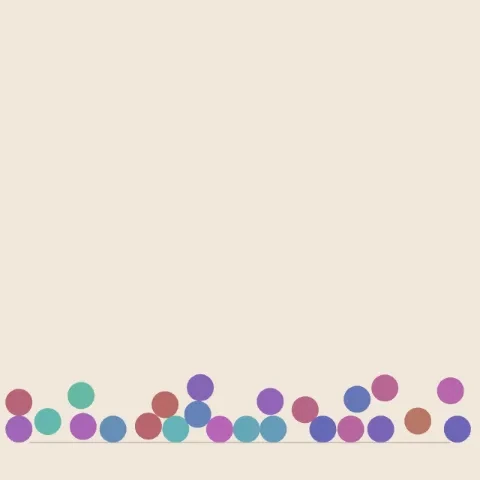
Twenty starter sketches give different ways into the studio. The toolkit extends from drawing and color into sound, Matter.js physics, animation, WebGL, and shaders.
The aim is to make an exploratory loop approachable: open something interesting, change it, notice what happened, and follow the result. It is a different scale of tool from Protobench, but the interest is shared—helping a person stay close to the thing they are making.
An idea can start as a line of code, a shape, or simply a change worth following.
Keep the work close.
Projects are stored locally in the browser on the device being used. ZIP export and import provide a way to back them up or move them elsewhere. The current application does not provide cloud accounts or cross-device synchronization.
Velogra is an experimental open-source project within OpusLABS, and an ongoing exploration of how a creative tool should feel. These images are project artwork and actual starter previews; the live studio is the best place to experience the interaction.
Try the live studioRead Build Broad, Refine LaterCode and experiments on GitHub